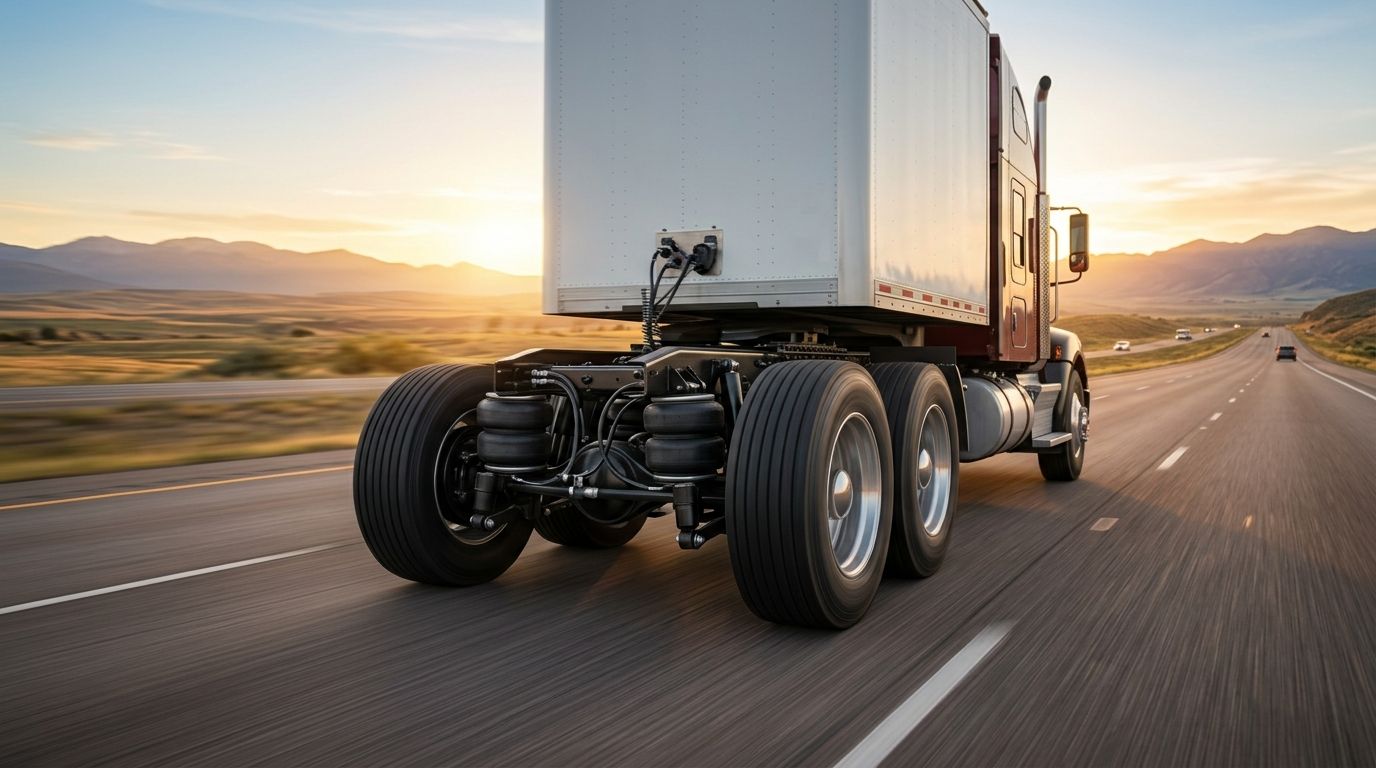
Air suspension for long-haul trucking fleets means fitting vehicle-specific load assist and onboard air equipment to cab-chassis trucks, tilt-trays and fleet utes so each vehicle holds its ride height and stays stable over thousands of interstate kilometres. Fleet operators face a different problem to a single ute owner: dozens of vehicles, mixed load patterns, and 24V electrical systems that change what compressor and air management gear actually works.
- Air suspension for long-haul trucking fleets works best on cab-chassis trucks, tilt-trays and fleet utes carrying constant loads.
- Boss Air Suspension load assist kits are vehicle-specific and backed by a five-year warranty.
- 24V onboard air compressors suit truck electrical systems better than 12V units built for utes.
- Match tank size and compressor duty cycle to the fleet's actual drive cycle before buying a kit.
Why air suspension matters for long-haul trucking fleets
A truck or ute that runs the same route every week with a variable load sags differently depending on what's in the tray that day. Rear-end sag under load changes headlight aim, reduces ground clearance and makes handling less predictable on long interstate stretches, especially in crosswinds or on undulating highway surfaces.
For a fleet, this isn't a one-off comfort issue. It's a maintenance and consistency issue across every vehicle running the same route, and it compounds when different trucks in the fleet sag by different amounts because they're carrying different kits, or no load assist at all.
Boss Air Suspension builds load assist airbag kits and onboard air equipment designed for Australian conditions, and fleet operators are one of the groups that ask for vehicle-specific fitment information most often — because a kit that suits one truck in the yard doesn't automatically suit the next one off a different production run.
Audit rear-end sag before you spec anything
Start with what's actually happening to the vehicles now, not what a spec sheet says should happen.
- Measure ride height at the rear axle, laden and unladen, on two or three representative vehicles.
- Check headlight aim under a typical load — a sagging rear end tips headlights up and blinds oncoming traffic.
- Log how far each vehicle sits from its unladen ride height once it's loaded for a typical run.
- Note whether sag differs between vehicles carrying the same nominal load — that points to leaf or coil spring wear, not just load.
- Photograph the rear stance loaded and unloaded so you have a before reference once any fix goes on.
Check tyre wear before choosing a fix
Uneven wear tells you more than a tape measure. A truck riding low at the rear under constant load will show wear patterns that a workshop can read in minutes.
- Inspect for feathering or shoulder wear on rear tyres across the fleet.
- Compare wear rates between vehicles running the same route and load.
- Check for scrubbing on inner or outer tread that points to axle misalignment from sustained sag.
- Record tyre pressure history if the fleet already runs a tyre inflation system.
Match load assist kits to each vehicle's specific fitment
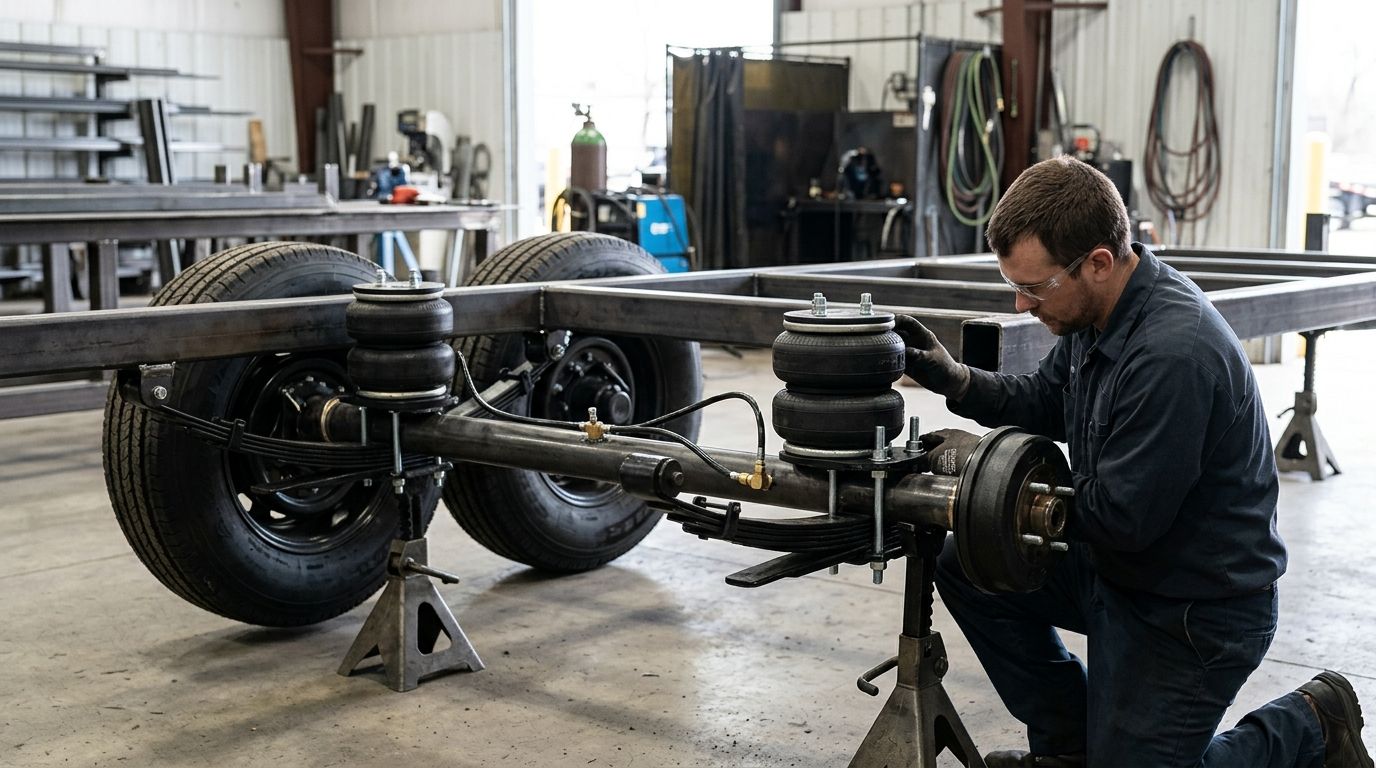
This is where a manual inspection turns into a purchasing decision. Load assist airbag kits work with a vehicle's existing suspension — they don't replace it, and they're not a substitute for correct GVM compliance.
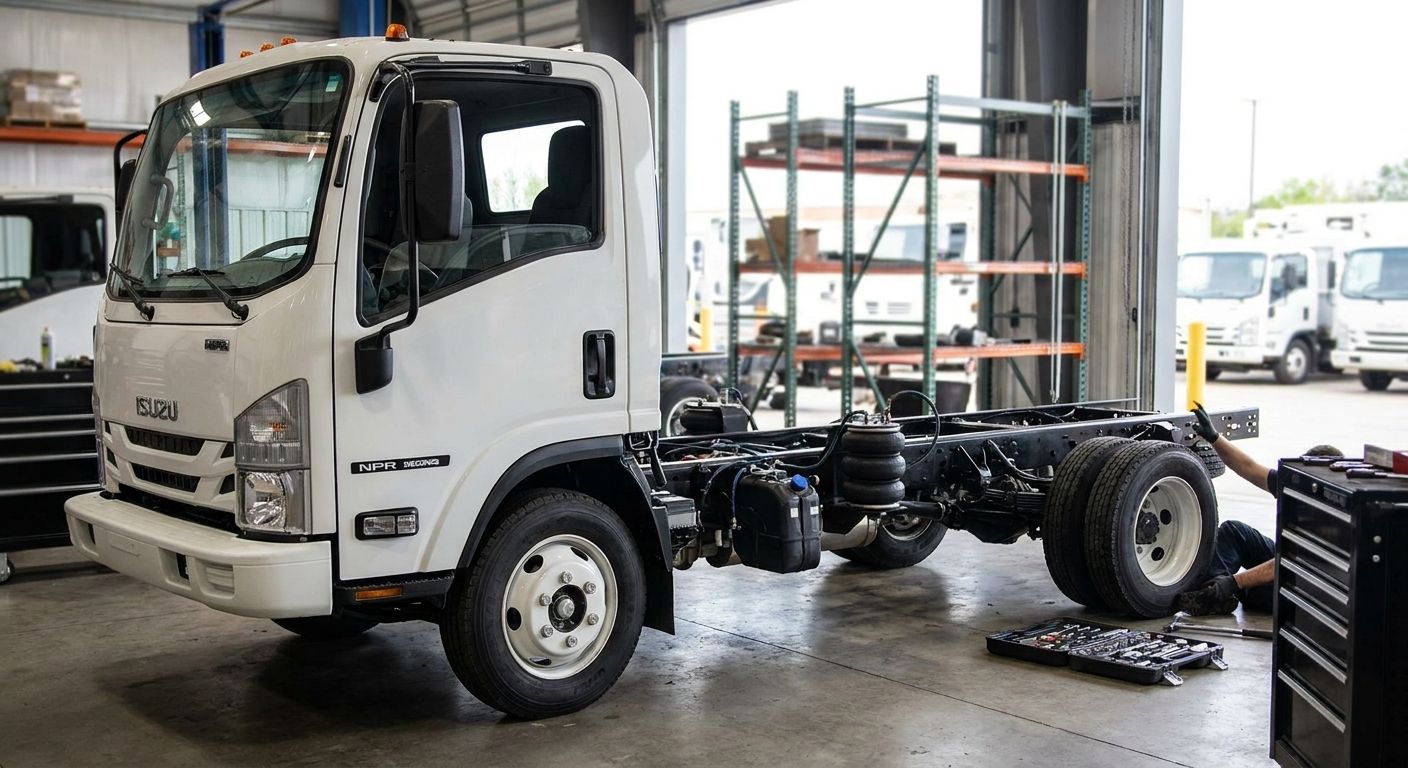
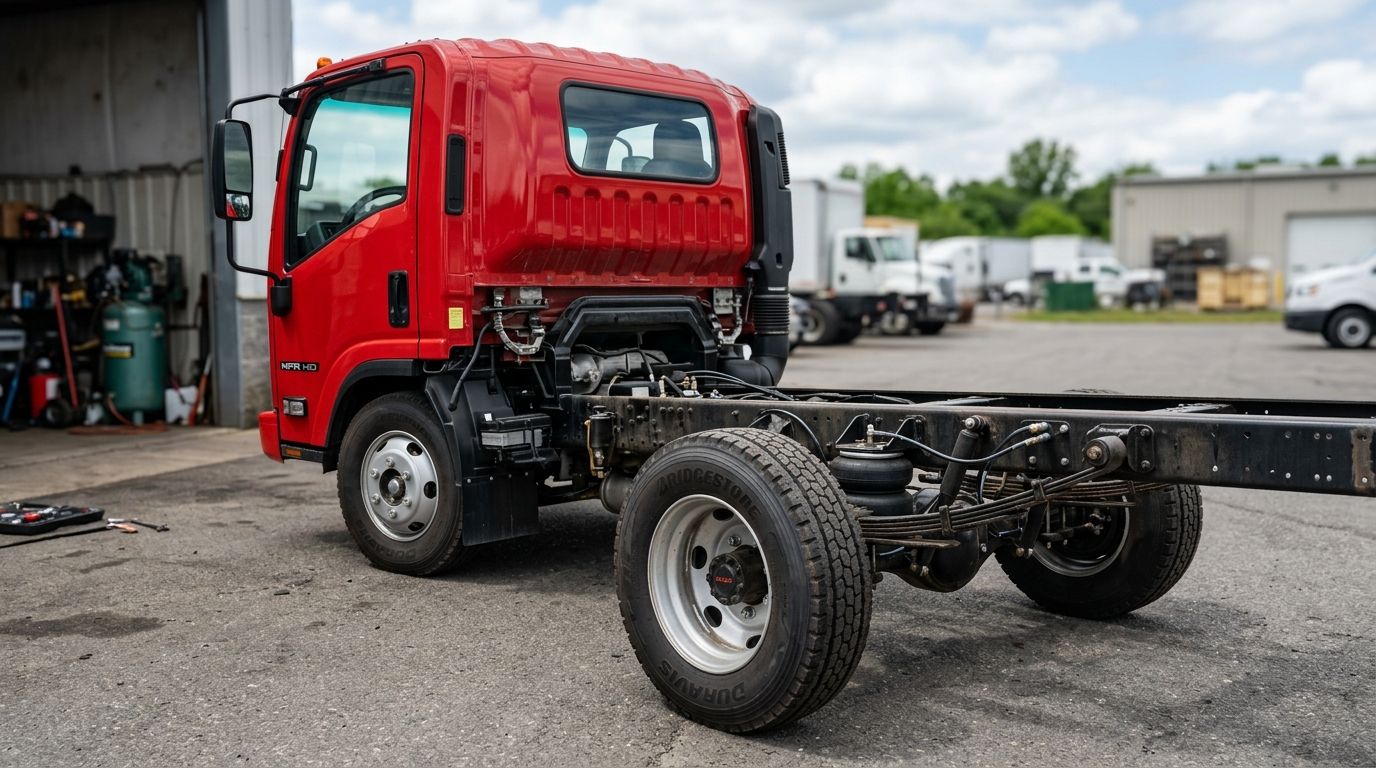
- Confirm the kit is listed as compatible with the exact model, cab-chassis configuration and suspension type.
- Check whether the vehicle needs a Load Assist Airbag Kit or a Coil Assist Kit depending on its factory rear suspension.
- Order enough brackets and fittings for consistent installation across every unit in the fleet, not just one test vehicle.
- Confirm air pressure range for the kit matches the load range the vehicle actually carries.
- Keep fitment records per vehicle so replacement parts match on the next service.
A load assist kit fitted to the wrong model, or fitted once and never checked again, becomes a maintenance headache rather than a fix. Vehicle-specific fitment is the difference between a fleet-wide improvement and a one-off patch.
Move to 24V onboard air for truck electrical systems
Most fleet utes run 12V electrical systems. Once you're into cab-chassis trucks and larger commercial vehicles, 24V is common, and that changes compressor selection.
- Confirm the vehicle's electrical system voltage before ordering a compressor — don't assume.
- Choose a 24V air compressor for commercial fleets rather than running a 12V unit through a converter.
- Match compressor duty cycle to how often the fleet adjusts air pressure on the road versus at base.
- Wire the compressor with a dedicated fuse and relay, not shared circuits already carrying other accessory loads.
- Check mounting location for airflow and protection from road spray on long highway runs.
Size the tank and air management system to the drive cycle
A fleet running constant interstate legs needs onboard air that keeps up, not a setup built for occasional weekend loads.
- Size the aluminium air tank to how often the vehicle needs air on the road versus at depot.
- Fit an air management system if the vehicle runs multiple airbags or needs pressure adjustment while moving.
- Check pressure switch settings suit the compressor's cut-in and cut-out range.
- Standardise fittings and airline diameter across the fleet so parts are interchangeable between vehicles.


Standardise air management across every vehicle in the fleet
Once more than a handful of vehicles run air suspension, consistency matters more than any single kit.
- Use the same valve type and fitting size across the fleet so a mechanic in any depot can service any vehicle.
- Fit digital controllers or gauges where drivers need to check pressure without pulling over.
- Keep spare fittings, airline and manifolds in a standard kit at each depot.
- Document pressure settings per vehicle type so drivers and workshops work from the same reference.
Set pressure adjustment procedures for drivers
Air pressure in a load assist kit needs adjusting for the load, not left at one setting regardless of what's in the tray.
- Give drivers a simple pressure range for empty, part-loaded and fully-loaded runs.
- Avoid running airbags at maximum pressure with no load — it stiffens the ride unnecessarily.
- Check pressure at the start of each trip if the load varies significantly.
- Log any pressure loss between checks — a slow leak shows up as pressure drifting down over days, not hours.
Schedule leak checks and maintenance intervals
A fleet-wide air suspension rollout needs a maintenance rhythm, or gradual sag creeps back in unnoticed.
- Check airline fittings and connections at each scheduled service.
- Inspect brackets for wear or movement, particularly on vehicles doing rough interstate detours.
- Test compressor cut-in pressure against its rated spec periodically.
- Replace airlines showing cracking or UV damage before they fail on the road.
Comparing your options for a long-haul fleet
| Option | Best for | Key limitation |
|---|---|---|
| Load Assist Airbag Kits | Cab-chassis and rigid trucks carrying variable loads | Vehicle-specific — needs the correct kit for axle and ride height |
| Coil Assist Kits | Coil-sprung fleet vehicles needing rear support without airbags | Not available for every model in a mixed fleet |
| Onboard air system (compressor, tank, management) | Fleets running several air-assisted vehicles or road-side pressure checks | Needs 24V wiring and correct duty-cycle compressor for trucks |
| Tyre inflation system | Fleets managing tyre pressure across mixed loads and routes | Separate from load assist — doesn't address rear-end sag |
A fleet running mixed vehicle types usually ends up using two or three of these together, not one in isolation.
“A load assist kit that isn't matched to the exact vehicle and suspension type is a maintenance problem waiting to happen, not a fix.”
Common mistakes long-haul fleets make
- Buying one kit size for the whole fleet instead of confirming vehicle-specific fitment for each model and cab-chassis configuration.
- Fitting 12V compressors meant for utes onto 24V trucks through a converter, which strains the compressor and shortens its working life.
- Skipping driver training on pressure adjustment, so airbags sit at one setting regardless of load.
- Assuming air suspension raises legal payload or GVM — load assist works with the existing suspension and doesn't change a vehicle's rated capacity unless it's part of an approved GVM upgrade.
- Not budgeting for fleet-wide leak checks, so sag returns gradually across several vehicles before anyone notices.
FAQ
What's the best air suspension setup for a long-haul trucking fleet in 2026?
For most fleets in 2026 it's a combination of vehicle-specific load assist airbag kits and a 24V onboard air system sized to the vehicle's drive cycle. Single components rarely cover both ride height and on-road pressure adjustment on their own.
Is load assist suspension the same as air suspension for long-haul trucking fleets?
Load assist airbags work with the vehicle's existing suspension rather than replacing it, while full air suspension systems replace the spring setup entirely. Most fleet vehicles on cab-chassis and ute platforms use load assist rather than a full air suspension replacement.
Do long-haul trucks need 24V or 12V onboard air compressors?
It depends on the vehicle's electrical system, and most cab-chassis and medium trucks run 24V while fleet utes typically run 12V. Confirm the vehicle's voltage before ordering a compressor rather than assuming based on vehicle size.
How much rear-end sag is normal on a loaded cab-chassis truck?
Some sag under load is normal and expected on any leaf or coil-sprung vehicle. What matters is whether that sag is consistent across the fleet and within the range the vehicle's suspension is designed for — a workshop can measure this against unladen ride height.
Can air suspension increase a truck's legal payload or GVM?
No, load assist and air suspension products do not increase a vehicle's legal payload, GVM or towing capacity unless they are part of a specifically approved GVM upgrade with supporting documentation. They improve ride stability and reduce sag within the vehicle's existing rated capacity.
How often should fleet air suspension be inspected?
Check airline fittings, brackets and pressure settings at each scheduled service interval, and more often for vehicles doing rough interstate detours. A slow leak usually shows up as pressure drifting down over days rather than a sudden failure.
What size aluminium air tank does a fleet onboard air system need?
Tank size depends on how often the vehicle needs air on the road versus at depot, with compact tanks suiting occasional adjustment and larger tanks suiting frequent on-road use. Matching tank size to the compressor's duty cycle avoids the compressor running constantly to keep up.
Is air suspension worth it for tilt-tray trucks running interstate?
Tilt-tray and recovery trucks carry variable loads by nature, which makes load assist and onboard air a practical fit for maintaining consistent ride height. The value depends on how often the vehicle runs loaded versus empty across its interstate routes.
One last thing
The voltage mismatch is the mistake that costs fleets the most in 2026: a 12V compressor wired through a step-down converter onto a 24V truck works, technically, but it runs harder and hotter than a compressor rated for that electrical system from the start. If your fleet is mixing 12V utes and 24V cab-chassis trucks, spec compressors per vehicle type, not per fleet-wide default.