Picking the right air compressor tank determines whether your onboard air system delivers steady pressure on demand or leaves the compressor running constantly just to keep up. This guide ranks the tank sizes and configurations that suit 4WDs, utes, caravans and commercial fit-outs in 2026, from compact stubby tanks to twin-compressor reservoirs.
- Boss Air Suspension's 1.5 Gallon Stubby 5-Port Aluminium Air Tank wins for compact onboard air setups at $395 — buy it if you need multi-outlet capacity in tight space.
- Mid-capacity 2.5 to 3 gallon multi-port tanks suit combined load assist and tyre inflation setups running off one reservoir.
- 5-gallon-plus tanks are the right call for twin-compressor rigs or air lockers running alongside tyre inflation.
- Match tank capacity to your compressor's duty cycle first — the best air compressor tank in 2026 is sized to the compressor, not guessed.
Why this matters
An undersized air tank means your compressor short-cycles: it fires up, dumps a small burst of pressure, and shuts off again within seconds. That cycle wears compressor motors faster and gives you a slower, less consistent air supply at the outlet.
Go too big and you're carrying extra weight and hunting for mounting space you don't have. The right aluminium air tank size for an onboard air system balances reserve volume against your compressor's output and how many accessories draw from it at once.
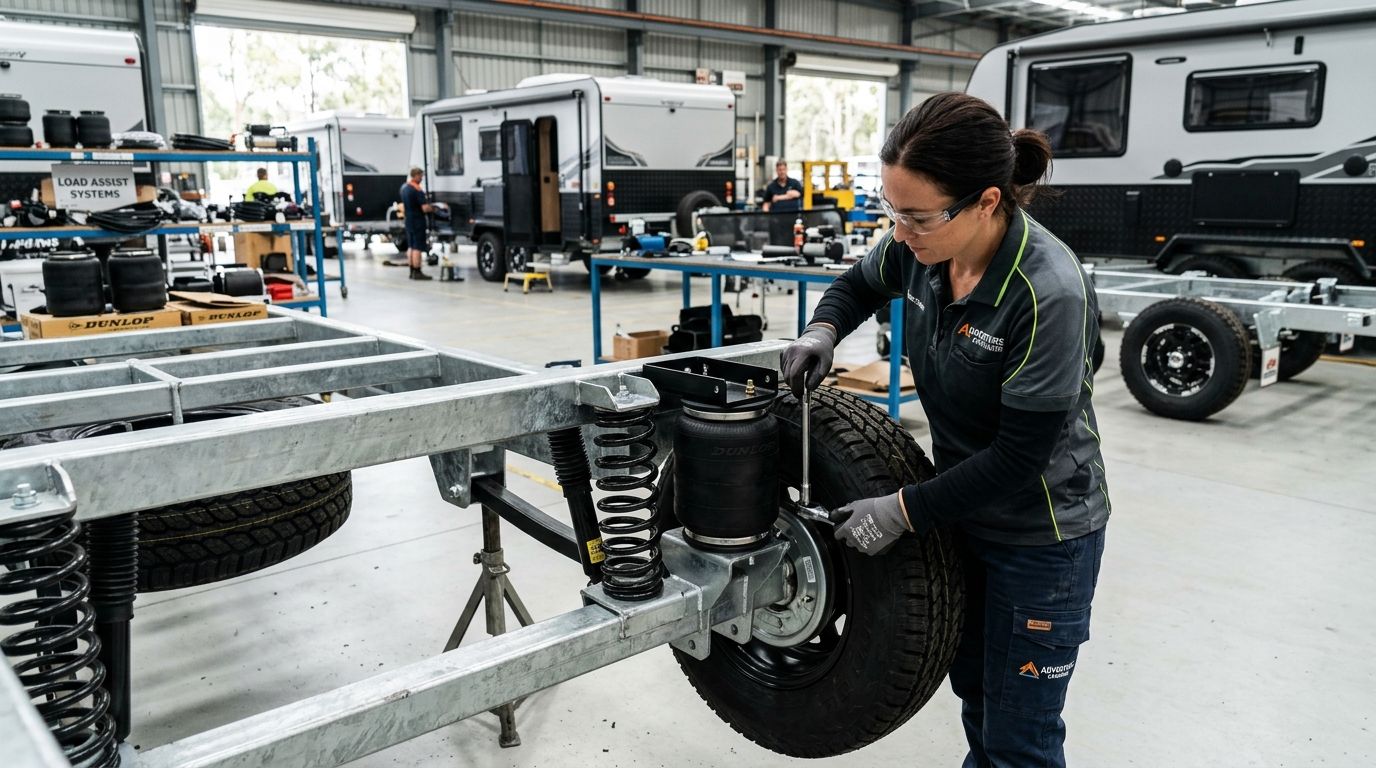
This matters most for load assist airbags, tyre inflation kits and air lockers running off the same onboard air system — each one draws differently, and the tank is what buffers that demand.
What makes the best air compressor tank
- Capacity matched to compressor duty cycle — a tank too small for the compressor's output forces constant cycling
- Number of ports and outlets — more ports mean more accessories can run without daisy-chaining fittings
- Material and corrosion resistance — aluminium resists Australian road grime and moisture better than untreated steel
- Mounting footprint — tank shape and length need to suit chassis rails, trays or under-vehicle space
- Working pressure rating — the tank has to handle the compressor's maximum output with margin
- Provision for a pressure switch and gauge — ports for monitoring and control equipment save re-plumbing later
Air compressor tanks at a glance
| Tank type | Best for | Standout feature | Starting price | Key limitation |
|---|---|---|---|---|
| Boss 1.5 Gallon Stubby 5-Port Aluminium Air Tank | Compact onboard air setups | 5 ports in a short-body aluminium tank | $395.00 | Smaller reserve for multiple high-flow accessories at once |
| Mid-capacity 2.5-3 gallon multi-port tanks | Combined load assist + tyre inflation | Extra ports for running two circuits off one tank | Confirm current pricing | Larger mounting footprint than a stubby tank |
| 5-gallon-plus tanks | Twin-compressor or air locker setups | Largest reserve volume for sustained high-flow demand | Confirm current pricing | Needs solid chassis or tray mounting points |
| Slimline tray/canopy-mount tanks | Tray and canopy fit-outs with tight space | Narrow profile fits between chassis rails or under trays | Confirm current pricing | Lower capacity than round-body tanks of similar length |
1. Boss Air Suspension 1.5 Gallon Stubby 5-Port Aluminium Air Tank: best air compressor tank for compact onboard air setups
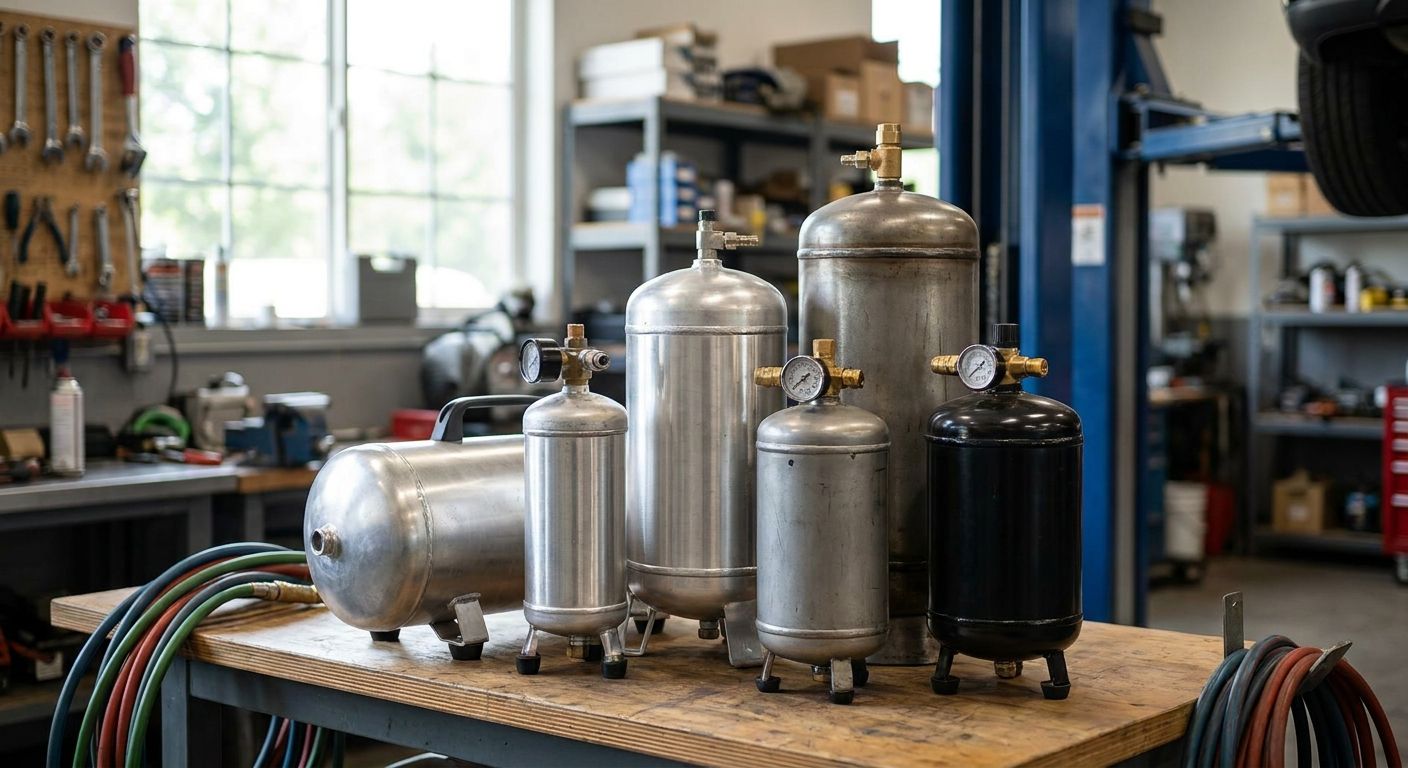
The Boss Air Suspension 1.5 Gallon Stubby 5-Port Aluminium Air Tank is a shorter-body aluminium tank built for onboard air layouts where space under the vehicle or in a canopy is limited. Five ports let you run a pressure switch, gauge, drain valve and multiple accessory lines without adding a separate manifold.
It suits load assist airbag setups, tyre inflation kits and light accessory use where a full-size cylindrical tank won't fit the available mounting space.
Boss 1.5 Gallon Stubby Air Tank pros:
- Compact stubby shape fits tight mounting locations
- Five ports cover pressure switch, gauge and multiple outlets
- Aluminium construction resists corrosion in Australian conditions
- Straightforward bolt-on mounting for DIY or workshop installation
Boss 1.5 Gallon Stubby Air Tank cons:
- Smaller reserve volume than larger cylindrical tanks
- Not the best choice if you're running a high-flow twin-compressor setup
Boss 1.5 Gallon Stubby Air Tank pricing: $395.00 complete.
Best for: compact onboard air setups where mounting space is the main constraint.
Verdict: Buy if your system runs one compressor and a moderate accessory load in a tight space.
2. Mid-capacity 2.5-3 gallon multi-port tanks: best for combined load assist and tyre inflation
Stepping up in capacity gives you more reserve air to run two functions off the one tank — load assist inflation for towing and a tyre inflation circuit for touring. This is the size range worth considering when one compressor and one tank need to cover both jobs without long recovery time between uses.
The trade-off is a longer or wider tank body, so check clearance against chassis rails, exhaust and fuel lines before ordering. For guidance on matching capacity to your specific accessory list, the article on sizing an air tank for tyre inflation walks through the calculation.
Mid-capacity tank pros:
- Enough reserve to run two accessory circuits without long recovery waits
- Still manageable in weight and mounting complexity for most utes and 4WDs
- Suits touring setups that combine load assist and tyre inflation
Mid-capacity tank cons:
- Larger footprint than a stubby tank, so measure before you buy
- Pricing varies by capacity and port count across the range — confirm current pricing before ordering
Best for: owners running load assist airbags and a tyre inflation kit off the same onboard air system.
Verdict: Buy if your setup genuinely needs two functions from one tank; Skip if you're only running one accessory, where the stubby tank does the job for less money and less space.
3. 5-gallon-plus tanks: best for twin-compressor or air locker setups
Once you're running twin compressors, an air locker, or high-flow tyre inflation for a group convoy, a 5-gallon-plus tank becomes the sensible option. The extra reserve volume means the system can supply a sustained high-flow demand without the compressor running continuously to keep pace.
This size suits fleet vehicles, remote-area tourers and dual-cab utes with heavier onboard air demands. Details on wiring and plumbing a dual-compressor setup are covered in the guide on twin air compressor setups for high-volume onboard air.
Large tank pros:
- Largest reserve volume for sustained or repeated high-flow use
- Suits twin-compressor and air locker combinations
- Fewer compressor cycles under heavy demand, which reduces wear
Large tank cons:
- Needs solid chassis or tray mounting points to carry the extra weight
- Overkill for a single-accessory setup
Best for: twin-compressor rigs, air lockers and high-flow tyre inflation for groups.
Verdict: Buy for genuine high-flow demand; Wait if you're not yet running a second compressor or air locker.
4. Slimline tray and canopy-mount tanks: best for tray and canopy fit-outs
For tray-back utes, canopy conversions and vehicle builders working with limited mounting space, a slimline tank profile matters more than raw capacity. These narrower tanks fit between chassis rails, under a tray deck, or inside a canopy fit-out where a round-body tank simply won't clear.
The trade-off is capacity — a slimline tank of similar length to a stubby tank generally holds less air, so it suits lighter-duty onboard air use rather than high-flow accessories.
Slimline tank pros:
- Narrow profile fits tray, canopy and chassis-rail mounting
- Suits vehicle builders and fit-out shops working to tight space constraints
- Aluminium options resist corrosion in the same way as round-body tanks
Slimline tank cons:
- Lower capacity than a round-body tank of similar length
- Not suited to twin-compressor or high-flow accessory setups
Best for: tray-back and canopy builds where mounting space, not capacity, is the constraint.
Verdict: Buy for space-constrained builds; Skip if you have room for a larger-capacity tank and need the extra reserve.


How we ranked these tanks
Each tank type is judged against the criteria above: capacity relative to compressor duty cycle, port count, material, mounting footprint and pressure switch provision. The Boss Air Suspension stubby tank ranks first because it covers the most common onboard air scenario — one compressor, moderate accessory load, limited space — at a known price with five usable ports.
The larger capacity brackets rank by use case rather than by brand, since tank sizing above 1.5 gallons is a specification decision, not a product comparison. Pick the bracket that matches your compressor and accessory count, not the biggest number on the shelf.
“A tank that's too small for your compressor's output just means the compressor runs constantly and wears out faster.”
Which air compressor tank should you choose?
For most 4WD, ute and caravan owners running one compressor and a moderate accessory load in 2026, the Boss Air Suspension 1.5 Gallon Stubby 5-Port Aluminium Air Tank at $395.00 is the default choice — compact, five ports, and priced for a single onboard air setup.
Step up to a mid-capacity 2.5-3 gallon tank if you're combining load assist and tyre inflation on one system, and go to a 5-gallon-plus tank once twin compressors or an air locker enter the picture. Slimline tray-mount tanks are the answer when space, not capacity, is the deciding factor.
FAQ
What size air compressor tank do I need for onboard air?
Tank size depends on your compressor's output and how many accessories draw from it. A 1.5 gallon tank suits a single compressor with moderate accessory use, while 5-gallon-plus tanks suit twin-compressor or air locker setups in 2026.
Is a bigger air tank always better for onboard air?
No. A tank larger than your compressor and accessories need adds weight and mounting complexity without a real benefit. Match capacity to duty cycle rather than buying the largest tank available.
What's the best air compressor tank for tyre inflation?
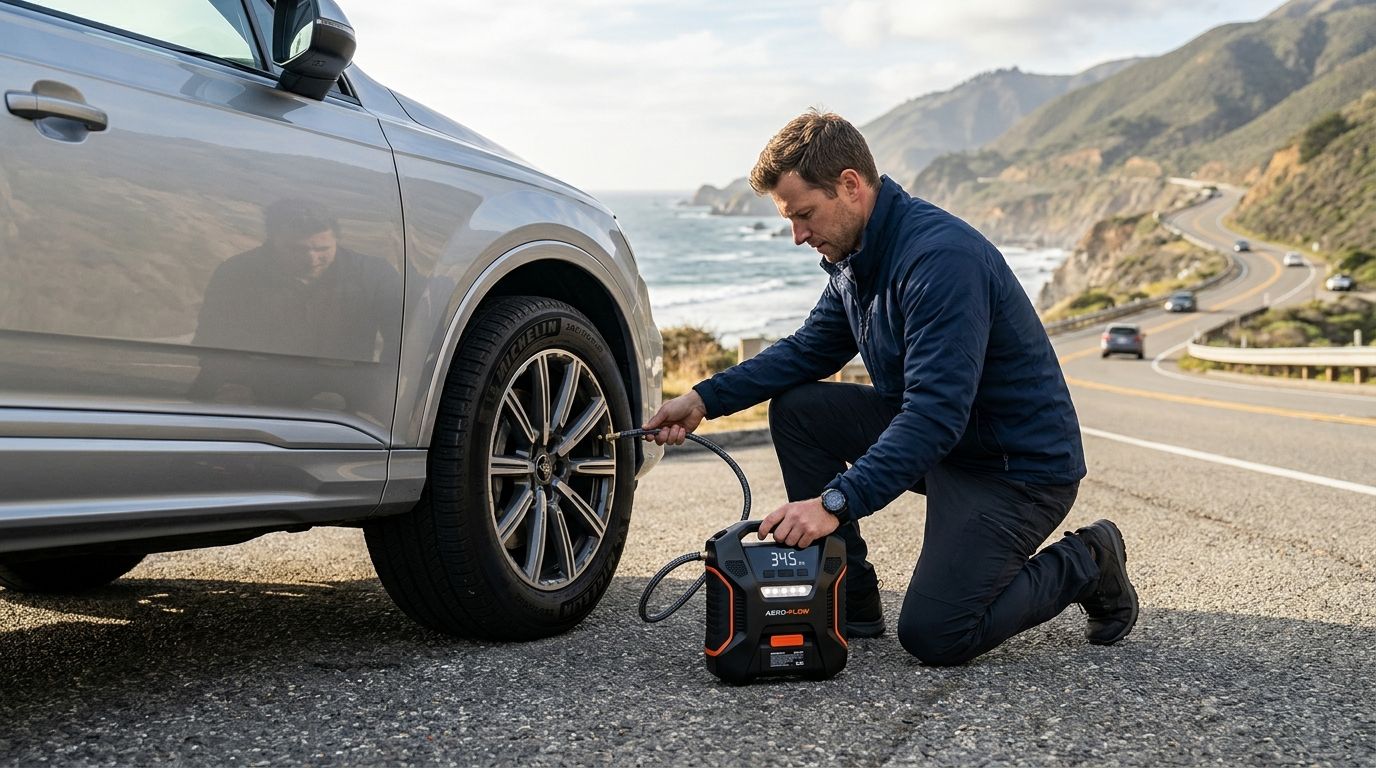
A mid-capacity multi-port tank works well for tyre inflation combined with other onboard air functions, since it holds enough reserve to inflate multiple tyres without the compressor running continuously.
Is aluminium or steel better for an onboard air tank?
Aluminium resists corrosion better in Australian road and moisture conditions than untreated steel, which is why most onboard air tanks sold for 4WD and ute use in 2026 are aluminium.
How many ports do I need on an air tank?
Most onboard air setups need at least three ports: one for the compressor inlet, one for a pressure switch, and one or more outlets. Five-port tanks like the Boss Air Suspension stubby tank give room for a gauge and drain valve as well.
Can I run load assist airbags and tyre inflation off one tank?
Yes, provided the tank capacity and compressor output are sized for both functions. A mid-capacity 2.5-3 gallon tank is the common choice for this combination.
How much does an onboard air tank cost in Australia in 2026?
A compact 1.5 gallon aluminium tank starts around $395.00 complete. Larger-capacity tanks vary in price by size and port configuration, so confirm current pricing before ordering.
Do I need a pressure switch with my air tank?
A pressure switch controls when the compressor cycles on and off, which protects the compressor from running continuously. It's a standard addition to most onboard air tank setups.
One last thing
A check valve between the compressor and the tank is easy to overlook, but it stops tank pressure bleeding back through the compressor when it's off — skip it and you'll find the tank slowly loses pressure overnight. The guide on check valves for onboard air tank systems covers where it sits in the plumbing.