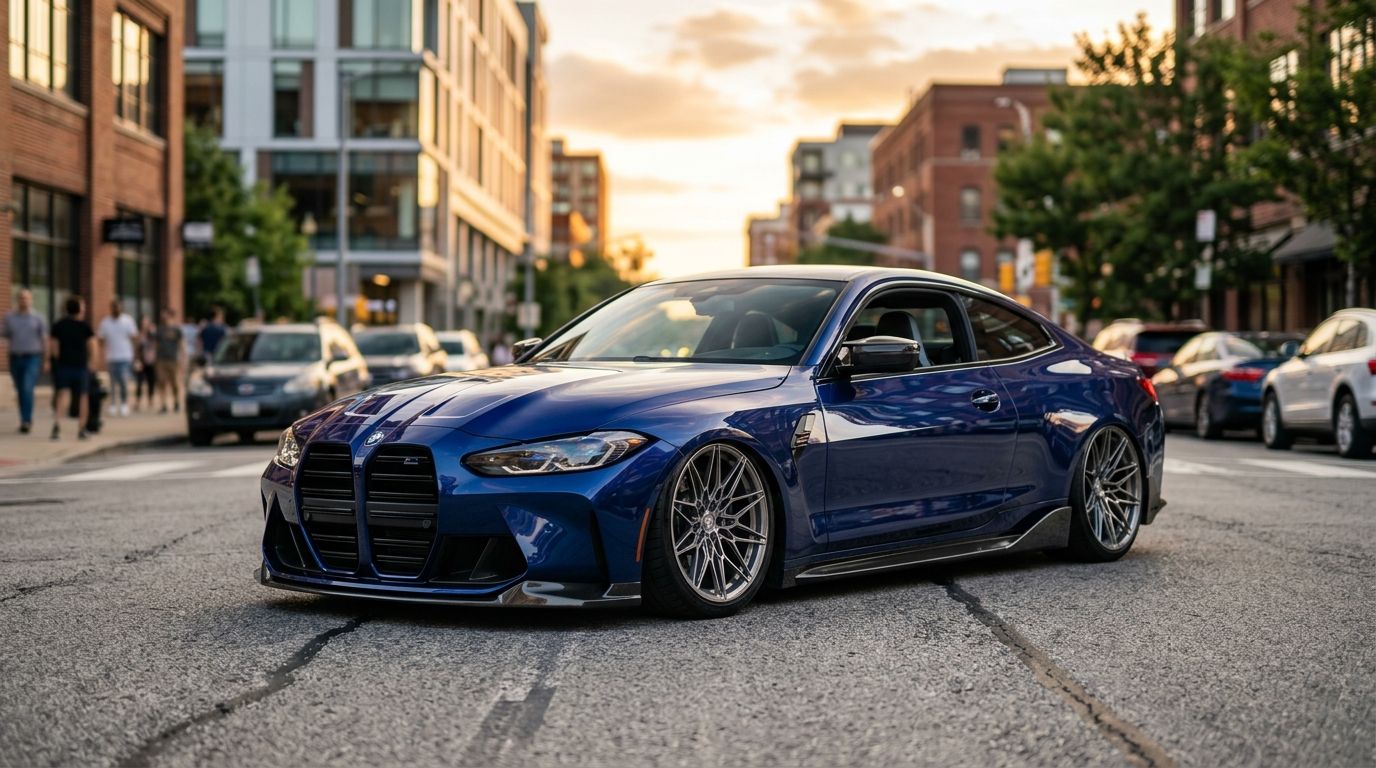
A street car or show build in 2026 doesn't need one "best" air ride kit — it needs the right combination of components for how the car actually gets used. An air management system wins for multi-bag control, a digital air controller wins for repeatable ride height presets, an onboard air system wins for show-day air supply, and a vehicle-specific air strut kit wins where a genuine fitment exists.
- The best air ride kit for a street car in 2026 depends on whether you need height control, air supply, or both.
- Air management systems suit multi-bag setups; digital air controllers suit repeatable height presets.
- An onboard air system with a compressor and aluminium tank keeps show-day air-up times consistent.
- Boss Air Suspension supplies air struts, management systems, controllers, tanks and fittings for vehicle-specific and DIY builds.
- Confirm fitment before buying an air strut kit — they're only available for selected vehicle applications.
Why this matters
Air ride on a street car or show build isn't the same job as load assist on a ute or 4WD. The build has to hold a ride height at rest, look right on show day, and still drive home afterwards.
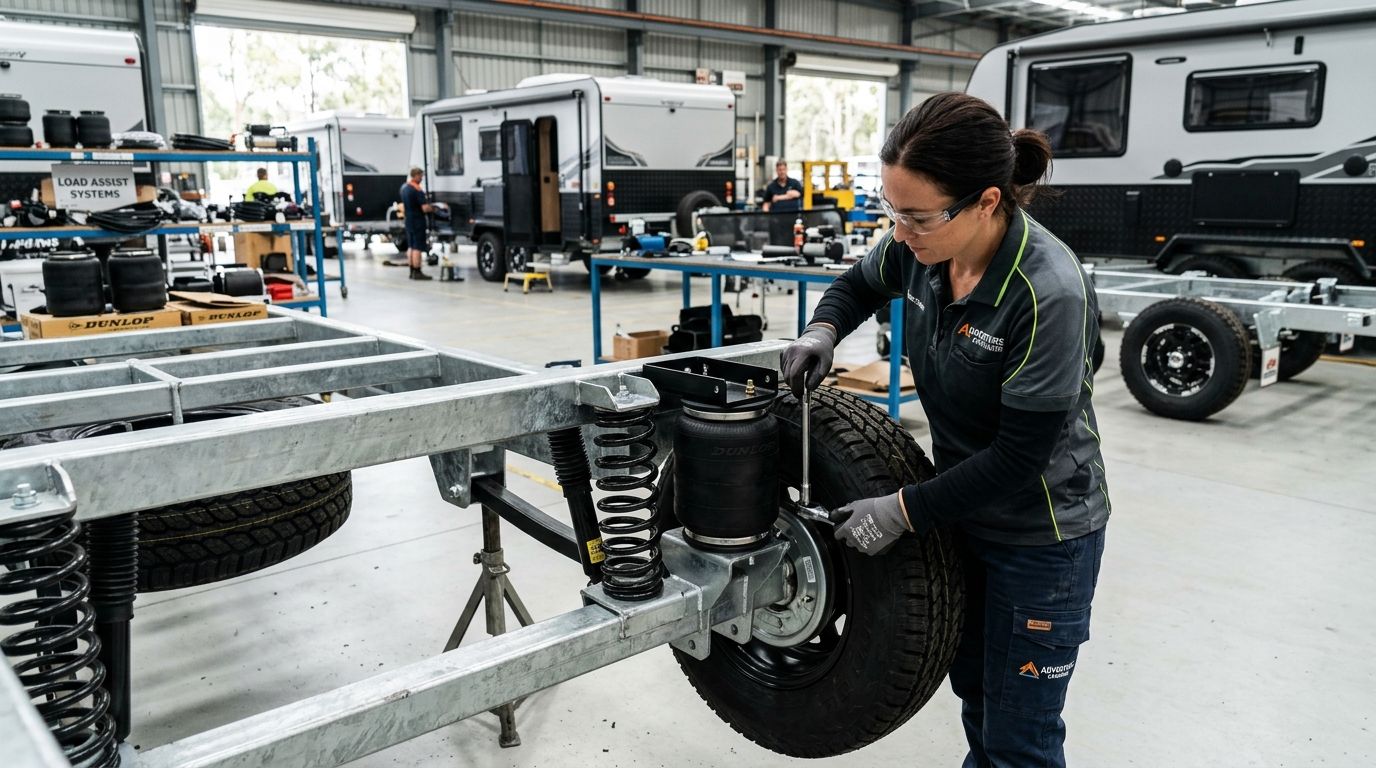
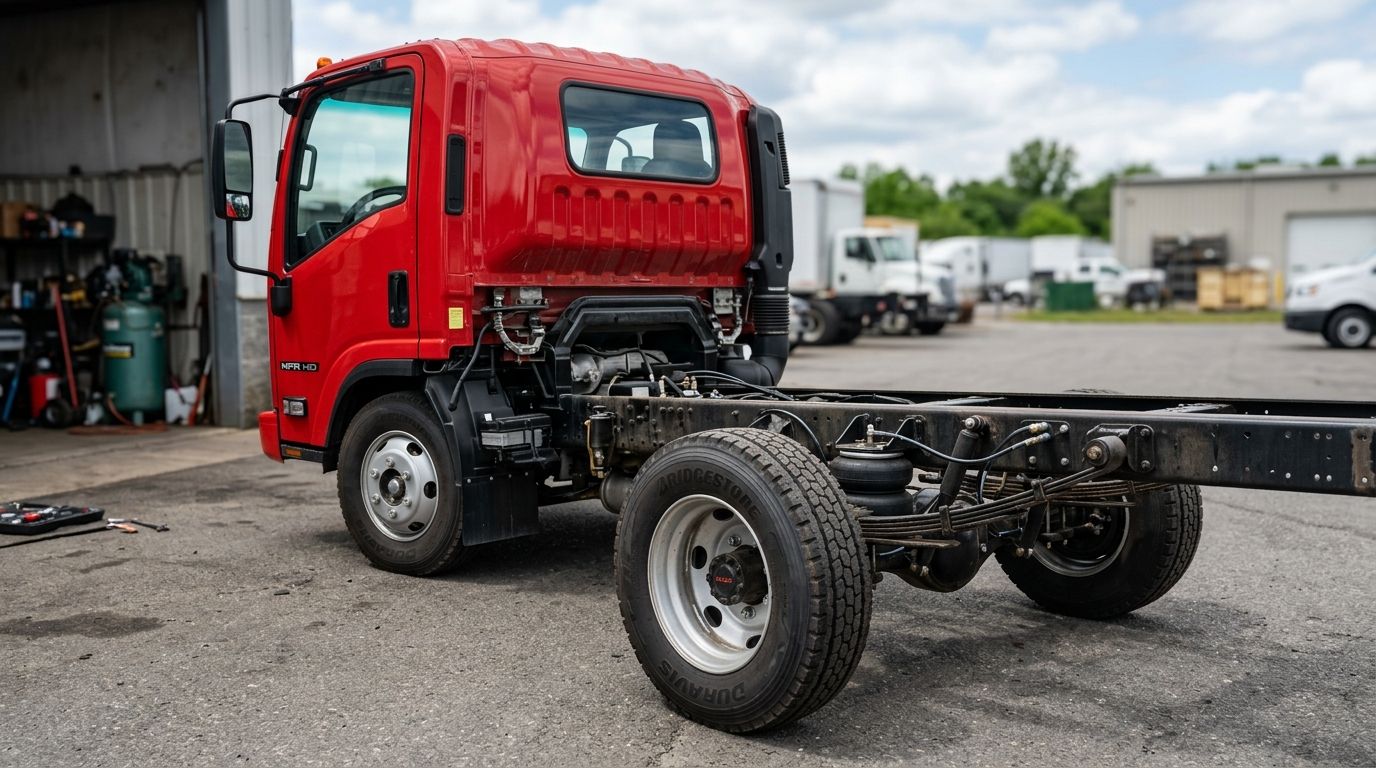
Boss Air Suspension built its catalogue around load assist airbags, air struts, air management systems, digital controllers and onboard air hardware for 4WDs, utes, vans and towing setups. The same core components — bags, struts, manifolds, controllers, tanks and compressors — are what a street build or show car needs too, just applied differently.
Get the components wrong and the car sags overnight, takes ten minutes to air up in the queue, or has a controller that can't repeat the same height twice. Get them right and the car sits where you want it, every time.
What makes the best air ride kit for a street car
These are the criteria that matter most for a street car or show build in 2026:
- Vehicle-specific fitment where it exists — an air strut kit only makes sense if there's a genuine application for your chassis.
- Air supply speed — how fast the compressor and tank refill the system between air-ups.
- Height repeatability — whether the controller returns to the same ride height every time, not just close.
- Plumbing quality — fittings, air line and manifolds that hold pressure without slow leaks.
- Ease of installation — bolt-on brackets and clear wiring beat a custom fabrication job for most owners.
- Local support — parts and technical advice available in Australia when something needs adjusting.
Air ride kits at a glance
| Component | Best for | Standout feature | Key limitation |
|---|---|---|---|
| Air Strut Suspension Kits | Vehicles with a genuine strut-based application | Replaces the factory strut with an adjustable air unit | Only available for selected vehicles |
| Air Management Systems | Running multiple bags or struts together | One control point for the whole system | Adds wiring and plumbing complexity |
| Digital Air Controllers | Saving repeatable ride height presets | Consistent height without manual guessing | Still relies on a properly set up air system underneath |
| Onboard Air System (compressor + tank) | Fast, reliable air supply on show day | Stored air ready without waiting on the compressor alone | Tank size limits air-ups before a recharge |
| Air Suspension Accessories & Fittings | DIY plumbing and custom builds | Lets you route lines and mount valves your way | Only as reliable as the install |
1. Air Strut Suspension Kits: best air ride kit for vehicle-specific applications
Air strut suspension kits replace the factory strut assembly with an air-adjustable unit, so ride height changes with air pressure instead of spring preload. Boss Air Suspension supplies air strut kits for selected vehicle applications rather than every make and model on the road.
Air Strut Suspension Kits pros:
- Full ride height adjustment through the factory strut location
- No separate bag-and-bracket kit needed on applications where a strut kit exists
- Works with a management system and controller for automated height changes
Air Strut Suspension Kits cons:
- Only available where a specific application exists — always confirm fitment before ordering
- More involved to install than a bolt-on load assist kit
- Needs a management system or manual valve setup to actually control height
Best for: owners whose vehicle has a genuine air strut application and want factory-style height adjustment.
Verdict: Buy if your vehicle is a supported application; otherwise Skip and build around bags with a management system instead.
2. Air Management Systems: best air ride kit component for multi-bag control
An air management system ties multiple air bags or struts, a compressor, a tank and a controller into one working setup. Instead of adjusting each corner by hand, the system routes air where it's needed and holds pressure once you're at the height you want. Boss Air Suspension's air management system components use the same manifold and valve architecture found in its load assist kits.
Air Management Systems pros:
- One control point for a car running bags at all four corners
- Works with manual paddle valves or a digital controller
- Uses consistent fittings and air line sizing across the whole system, which simplifies servicing
Air Management Systems cons:
- More components to wire and plumb than a single-bag load assist kit
- A leak anywhere in the manifold affects the whole system, not just one corner
- Needs a tank and compressor sized to the number of bags running off it
Best for: street builds and show cars running air at more than one corner that need centralised control.
Verdict: Buy for any multi-bag build; a single-bag setup rarely needs the full system.
3. Digital Air Controllers: best for repeatable ride height presets
A digital air controller reads pressure or height input and adjusts each corner to a saved setting at the press of a button. That matters on a show car where the ride height needs to look the same every time it's parked, not just close.
Digital Air Controllers pros:
- Saved presets remove the guesswork of manual valve adjustment
- Faster to switch between a driving height and a show height
- Pairs with an air management system for multi-corner control
Digital Air Controllers cons:
- Only as accurate as the sensors and calibration underneath it
- Adds another electronic component that needs power and a mounting location
- Doesn't fix a poorly plumbed or leaking air system — it just controls it
Best for: daily-driven street builds that switch between a comfortable driving height and a lower show height regularly.
Verdict: Buy if you're already running a management system; Hold if you're still on manual valves and not ready for the wiring.
“If the ride height doesn't reset to the same spot twice, the controller isn't doing its job.”
4. Onboard Air System (compressor + aluminium tank): best for show-day air supply
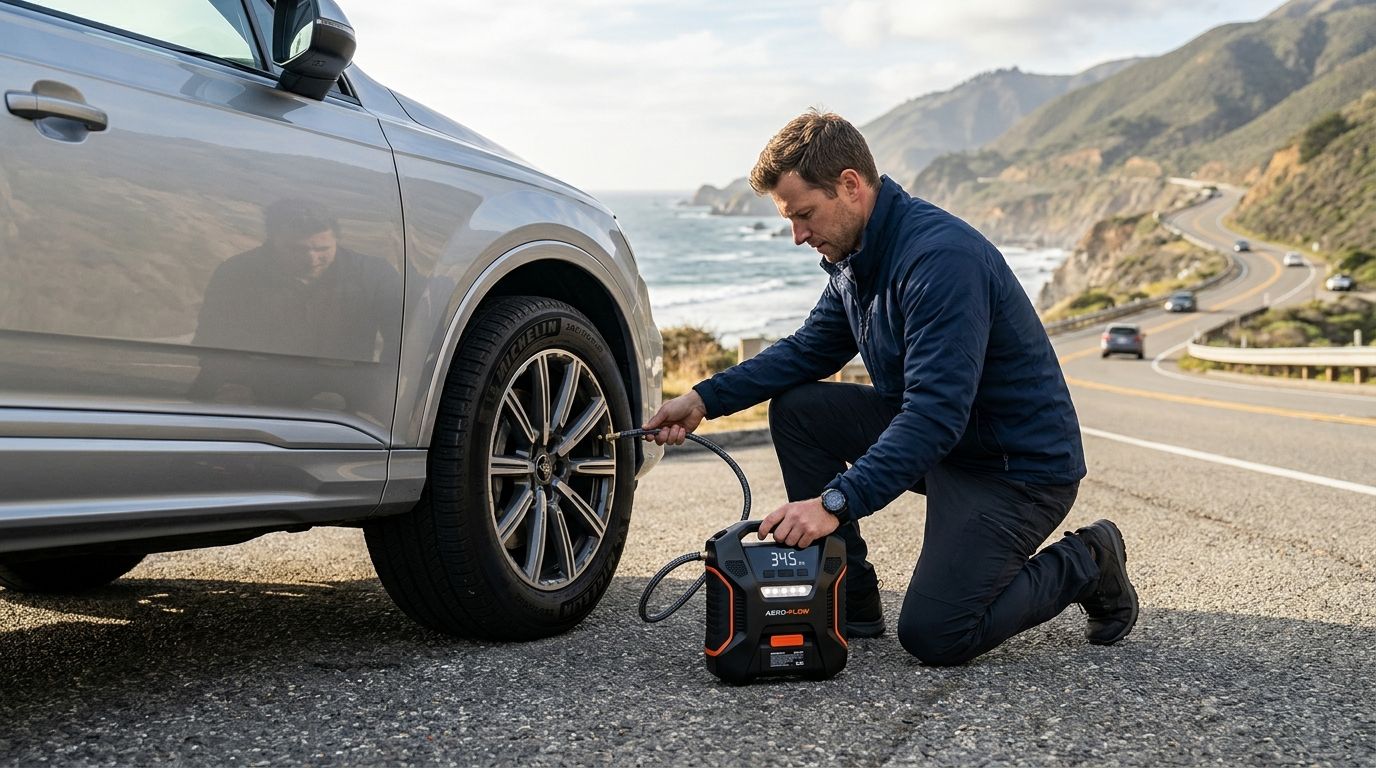
An onboard air system pairs a 12V compressor with an aluminium air tank so there's stored air ready the moment you need it, instead of waiting on the compressor to catch up. On show day in 2026, that's the difference between airing up in seconds or standing around while the compressor cycles.
Onboard Air System pros:
- Stored air in the tank covers quick height changes without waiting on the compressor
- A 12V compressor tops the tank back up between uses
- Aluminium tanks resist corrosion better than steel over years of use
Onboard Air System cons:
- Tank size limits how many air-ups you get before a recharge is needed
- Needs a mounting location, wiring and a pressure switch to run properly
- A compressor undersized for the tank takes longer to recover pressure
Best for: show cars and street builds that air up and down repeatedly in a single day.
Verdict: Buy — pair a tank sized to your bag volume with a compressor rated for the duty cycle you actually use.


5. Air Suspension Accessories & Fittings: best for DIY plumbing and custom builds
Fittings, air line, valves and manifolds are what actually connect the bags, tank, compressor and controller together. On a custom street build, the quality of this plumbing decides whether the system holds pressure overnight or slowly bleeds down.
Air Suspension Accessories & Fittings pros:
- Lets you route air line exactly where the chassis and body allow
- Push-to-connect and NPT fittings suit most DIY installs without special tools
- Manifolds let one tank or compressor feed several outlets
Air Suspension Accessories & Fittings cons:
- Only as reliable as the install — a poorly seated fitting will leak
- Easy to undersize air line diameter on a multi-bag setup
- Requires some planning before cutting and running lines
Best for: owners doing their own install who want to route and mount components to suit their specific build.
Verdict: Buy the correct fitting for each connection rather than mixing brands and thread types.
How we ranked
Each component above is ranked against the criteria listed earlier: fitment availability, air supply speed, height repeatability, plumbing quality, ease of installation and local support. None of these components compete directly — a street build typically needs several of them working together, not a single winner.
Which air ride kit should you choose?
If your car has a genuine air strut application, start there and build the management system around it. If you're running bags at each corner without a factory strut option, an air management system paired with a digital air controller gives the most repeatable result.
Whatever you build in 2026, don't skip the onboard air system — a tank and compressor sized to your setup is what keeps air-up times short on show day. And don't cut corners on fittings and air line; a system that leaks overnight undoes everything else on the list.
For a build closer to a lowered ute or stanced daily rather than a static show car, the lowered cars and street builds guide covers setups where ride height changes more often than it sits still.
FAQ
What's the best air ride kit for a street car in 2026?
There's no single best air ride kit — a street car or show build in 2026 usually needs a management system, a digital controller and an onboard air system working together. Match components to how often you air up and down rather than buying on brand name alone.
Is a digital air controller better than manual valves?
A digital air controller gives repeatable ride height presets that manual valves can't match, which matters most on a show car parked at the same height repeatedly. Manual valves cost less to set up but rely on the driver getting it right by eye every time.
Can Boss Air Suspension components be used on a lowered street car?
Boss Air Suspension supplies air struts, management systems, controllers, tanks and fittings that can suit a street build, though air strut kits are only available for selected vehicle applications. Confirm fitment for your specific vehicle before ordering.
How much air pressure does a show car air ride setup need?
Pressure requirements vary by bag or strut model and the weight sitting on each corner, so check the specific component's rated pressure range rather than assuming a fixed number. Running above the rated maximum shortens the life of the bag or strut.
What size aluminium air tank suits a street build?
Tank size should match how many bags are running and how often the car airs up and down in a session — a compact tank suits an occasional show car, while a build that adjusts height daily benefits from more stored volume. A properly sized 12V compressor keeps the tank topped up between uses.
Do I need both a compressor and a tank, or just a compressor?
A tank stores air so it's ready instantly, while a compressor alone makes you wait for it to build pressure on demand. Pairing a compressor with an aluminium tank gives faster air-ups and is the standard setup for street builds and show cars.
Is an air management system worth it for a two-bag setup?
A basic two-bag setup can run on manual valves without a full management system, but a management system becomes worthwhile once you're controlling four corners or adding a digital controller later. It's a question of how much the build is likely to grow.
How long does an air ride system take to air up before a show?
Air-up time depends on tank size, compressor duty cycle and how many bags are being filled — a system sized correctly for the car should air up within a few minutes. An undersized tank or compressor is the most common cause of long waits at a show.
One last thing
Most air ride problems on street builds trace back to the fittings, not the bags or the controller — a slow leak at one push-connect joint looks like a bad airbag but is usually a seating issue at the fitting. Check every connection with soapy water before blaming the expensive part.