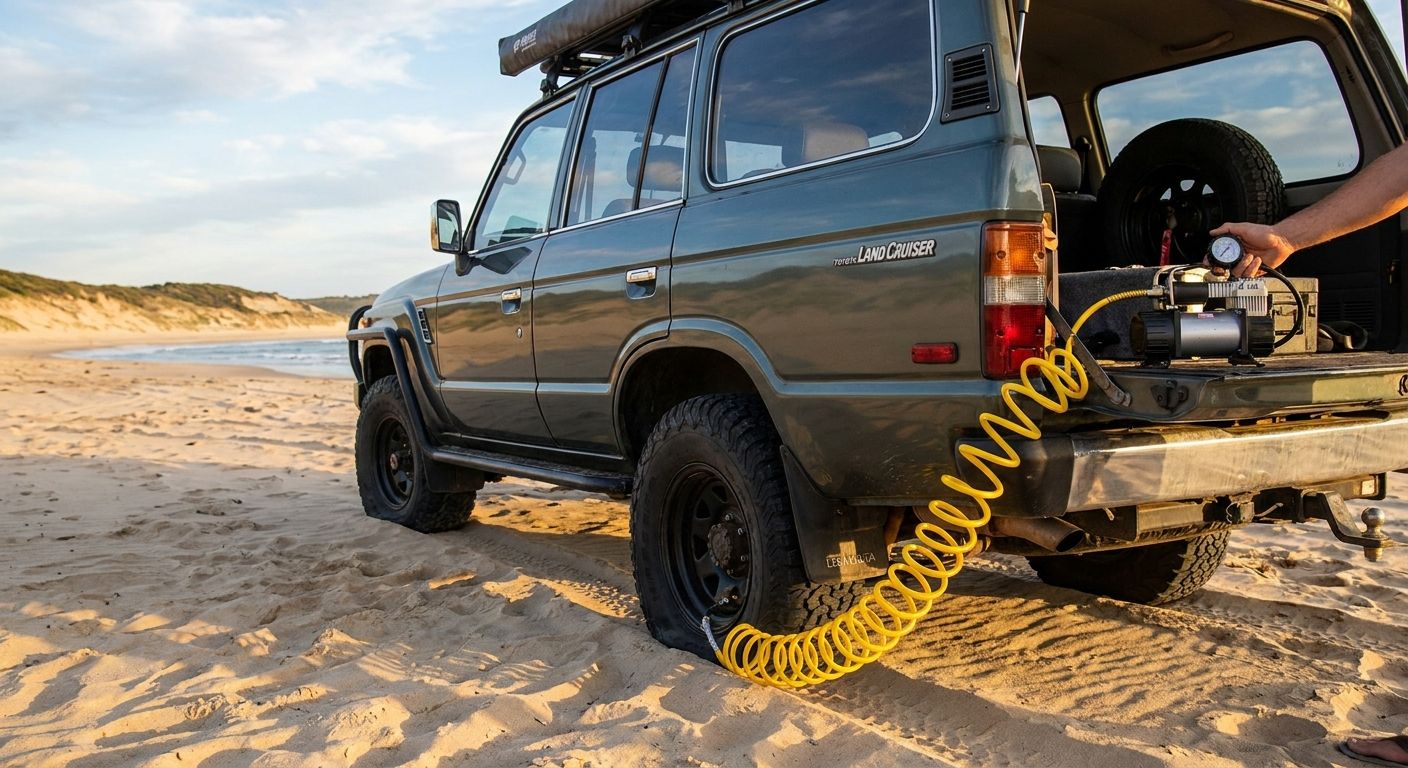
A proper onboard air system for beach driving means being able to drop tyre pressures fast before you hit the sand and reinflate just as fast when you're back on the blacktop — without relying on a single 12V inflator that takes fifteen minutes a tyre.
- A 12V compressor with 100% duty cycle is the baseline for any onboard air system for beach driving — anything less overheats mid-reinflation.
- An aluminium air tank turns a slow compressor into an instant-blast system for lockers and quick top-ups. Buy it if you're running a locker.
- Quality tyre deflators cut a 10-15 minute pressure drop down to under two minutes across four tyres. Consider it non-negotiable kit for 2026 beach trips.
- Skip cheap plastic manifolds and unrated fittings — they're the most common failure point in DIY onboard air builds.
Why this matters
Sand driving punishes tyres and gear differently to rock or mud. You're dropping pressure hard — often down into the mid-teens — to float the tyre footprint over soft sand, then airing back up before you touch a public road again.
Do that with a single-outlet, low-duty-cycle compressor and you'll be standing at the tailgate for twenty minutes per tyre while the motor cycles on and off to cool itself. A proper onboard air system for beach driving fixes that bottleneck at the source: a compressor rated for continuous use, a tank to buffer demand, and the fittings to plumb it without leaks.
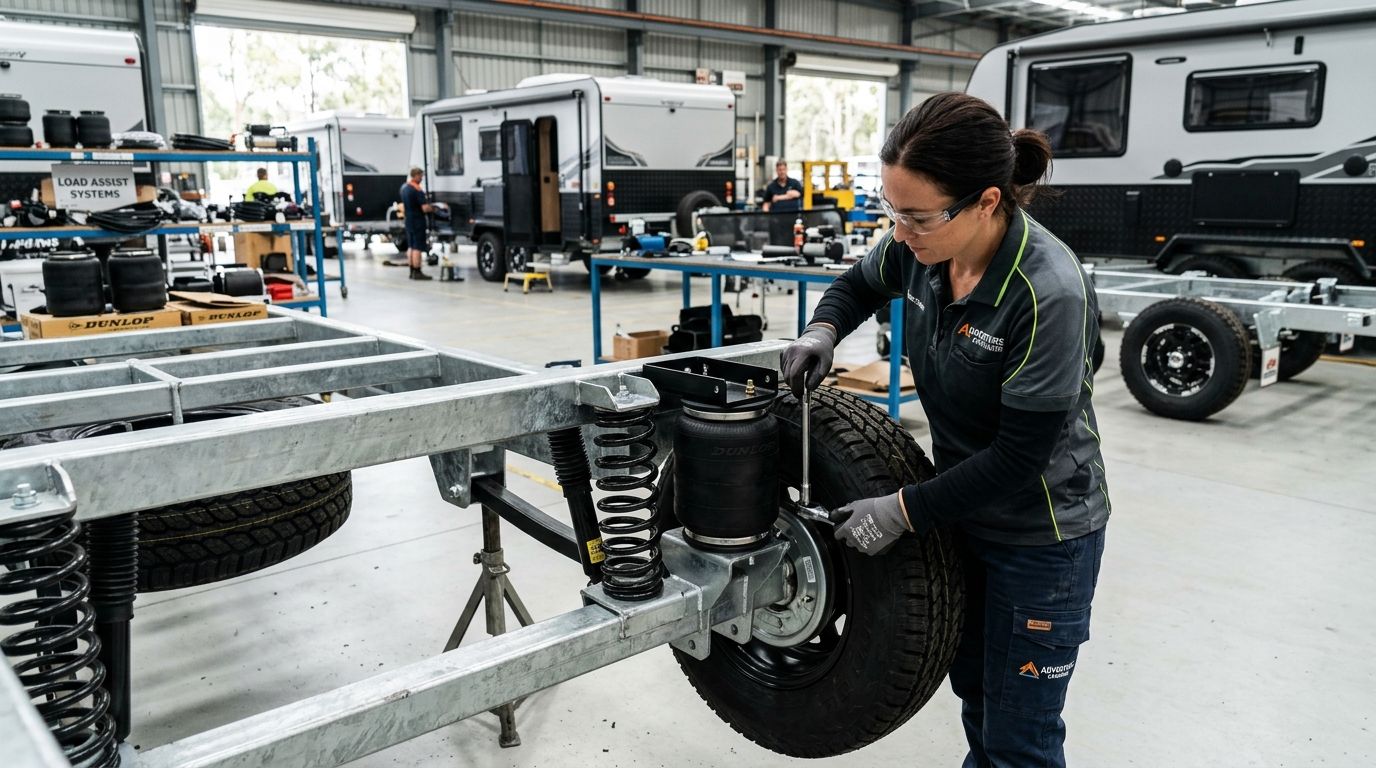
Boss Air Suspension builds and stocks the individual components — compressors, tanks, manifolds, deflators — that go into these setups, and the same air management principles used in load assist airbag systems for beach and sand driving apply directly to onboard air for tyre inflation and air lockers.
How this list was put together
Every item below is ranked on three things: whether it holds up to repeat cycling in sand and dust, whether it solves an actual bottleneck (slow deflation, slow reinflation, or overheating), and whether it's a genuine upgrade over the single-outlet 12V inflator most 4WDs start with.
Components that only work in isolation — a compressor with no tank buffer, for example — score lower than components that combine into a full system. The goal for 2026 isn't the flashiest single part, it's a setup that gets you off the beach and back to highway pressure without drama.
The ranked list
1. 12V air compressor — the workhorse
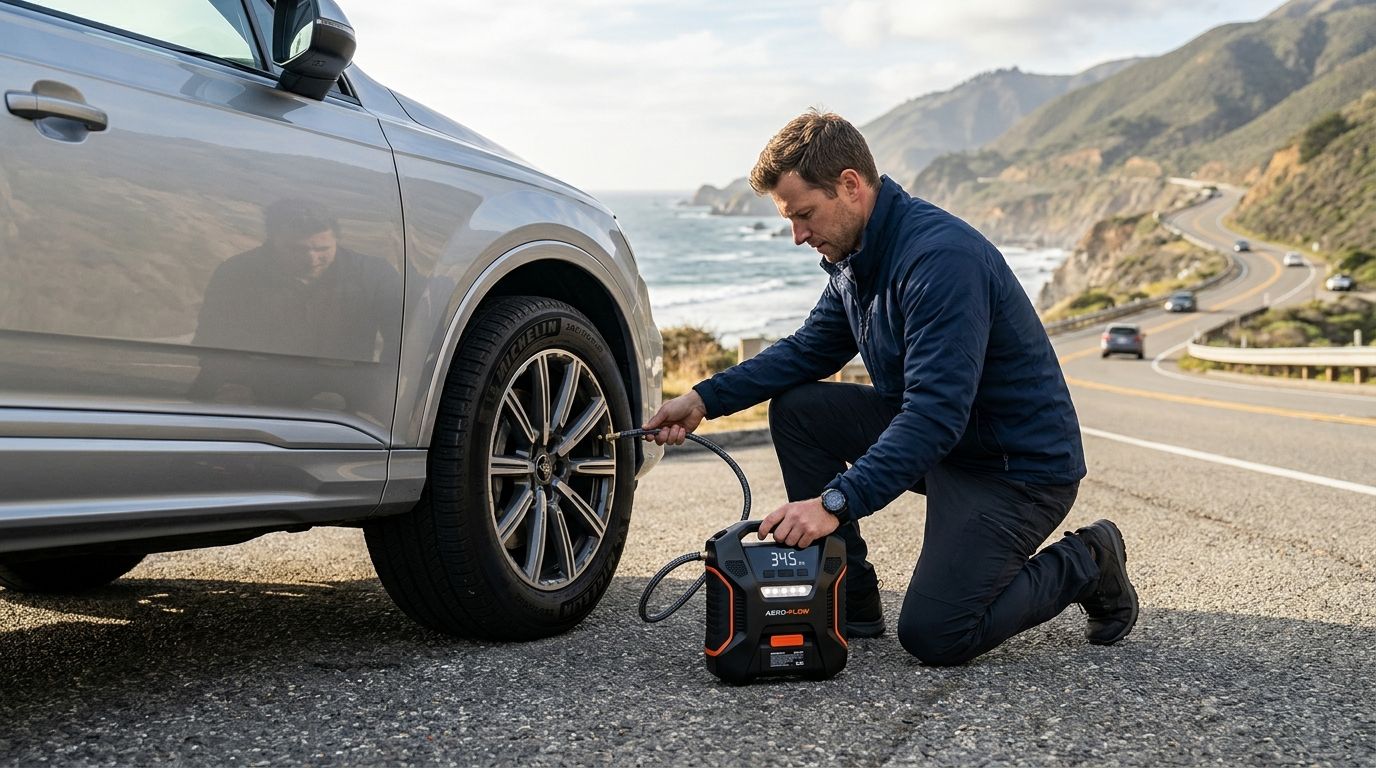
Every onboard air system for beach driving starts here. A compressor rated for a 100% duty cycle — meaning it can run continuously without a forced cool-down — is the difference between reinflating four tyres in one pass or waiting for the motor to rest every few minutes.
Look for oil-less construction, since sand and dust are hard on internals with exposed lubrication points. A shop-tested unit like the 12V air compressor for tyre inflation on 4WD trips covers most dual-cab and wagon setups without needing a dedicated air tank.
Buy if you're building your first onboard air system and want one component that does the reinflation job on its own.
2. Aluminium air tank — the buffer
A tank stores compressed air ahead of time, so you get an instant burst instead of waiting on the compressor motor. This matters most if you're running an air locker, since lockers need a fast pressure spike to engage reliably in soft sand.
Size matters here — too small and you're back to compressor-limited output, too large and you're carrying dead weight for no benefit. A compact option, the aluminium air tank sizing guide for onboard air systems walks through matching tank size to your compressor output and intended use.
Buy if you're running an air locker or want faster tyre inflation on top of your compressor.
3. Tyre deflators — the fast track down
This is the part people skip, and it's the one that costs the most time on the beach. Manually unscrewing a valve stem and eyeballing the pressure gauge across four tyres takes real time and invites mistakes — too low and you risk a de-bead, too high and you lose traction.
A set of quality tyre deflators lets you set a target pressure once per tyre and walk away while it bleeds down automatically. The best tyre deflators for 4WD touring covers the difference between screw-type and clip-on deflators for repeat beach use.
Buy — this is the cheapest, highest-impact addition to any beach driving kit.
4. Air management manifold — the traffic controller
Once you're running more than one air outlet — tyre inflation plus a locker, or dual outlets for two tyres at once — a manifold block routes air where it's needed instead of forcing everything through one hose and fitting.
A 2-way manifold with mounting holes is a simple, low-cost way to split output without adding another compressor. It's not the flashiest part of the system, but it's what stops a multi-outlet setup turning into a tangle of T-fittings under pressure.
Consider it once your setup grows past a single compressor-to-hose connection.
5. Digital pressure gauge or controller — the readout
Guessing tyre pressure by feel is how sidewalls get damaged. A digital gauge or controller gives you a precise readout so you're not overinflating on the way back to bitumen or underinflating and grinding through soft sand longer than needed.
This isn't a mandatory item for a basic setup, but it earns its keep on longer beach trips where you're airing up and down multiple times a day.
Consider it if you're making repeat beach runs rather than a one-off trip.
6. Onboard air for air lockers — the traction backup
If your 4WD is fitted with a locking differential, the onboard air system does double duty: tyre inflation and locker engagement both draw from the same compressor and tank. Sand driving is exactly the scenario lockers are built for — soft, low-traction surfaces where one wheel spinning free stalls the vehicle.
Sizing the system correctly for both jobs at once is worth getting right before you're stuck. The onboard air system for air lockers guide covers compressor and tank sizing when a locker is part of the load.
Buy if your vehicle has a locker fitted or planned — running it off a separate, undersized compressor is a common mistake.
7. Check valves and water traps — the reliability insurance
These are the parts nobody thinks about until the system fails. A check valve stops air bleeding back out of the tank through the compressor when it's not running, and a water trap keeps condensation out of your air lines — a real issue near salt air and coastal sand.
Neither is expensive, and both prevent slow, hard-to-diagnose faults months down the track.
Buy — cheap parts, expensive to skip.


Comparison table
| Component | Main job | Key spec | Verdict |
|---|---|---|---|
| 12V air compressor | Reinflate tyres after beach driving | 100% duty cycle | Buy |
| Aluminium air tank | Buffer air for instant bursts | 1.5-gallon compact size | Buy for lockers |
| Tyre deflators | Drop pressure fast and evenly | Sets target PSI automatically | Buy |
| Manifold | Splits air to multiple outlets | 2-way, bolt-on mount | Consider |
| Digital gauge/controller | Precise pressure readout | Digital display | Consider |
| Air locker support | Engages diff lock on demand | Shared tank and compressor | Buy if locker-equipped |
| Check valve/water trap | Prevents air loss and moisture | Inline fitting | Buy |
Where to buy
- Buy compressor and tank as a matched pair where possible — an undersized tank paired with an oversized compressor wastes money, and the reverse leaves you waiting on air.
- Confirm fittings and thread types before ordering loose components — mismatched NPT and push-fit sizes are the most common return reason on DIY onboard air builds.
- Stick to Australian-stocked parts for anything exposed to salt air and sand — coastal conditions are harder on cheap fittings than inland touring.
FAQ
What's the best onboard air system for beach driving?
A 100% duty cycle 12V compressor paired with a small aluminium air tank covers most beach driving setups in 2026. Add tyre deflators and you've solved both ends of the pressure cycle.
Do I need an air tank if I already have a 12V compressor?
Not always, but a tank gives you an instant air burst instead of waiting on the compressor motor. It's most useful if you're running an air locker or inflating multiple tyres back to back.
What tyre pressure should I run on sand?
Most sand driving guides put the working range around 15-20 psi, down from typical highway pressures of 32-38 psi. The right number varies with vehicle weight and tyre size, so check your specific setup.
How long does it take to air up after beach driving?
With a 100% duty cycle compressor and a buffer tank, reinflating four tyres from sand pressure back to road pressure typically takes a few minutes per tyre rather than fifteen-plus with a basic single-outlet inflator.
Is a manifold necessary for onboard air?
Only once you're running more than one outlet — tyre inflation plus a locker, for example. A single-outlet setup doesn't need one.
Do onboard air systems help with air lockers on sand?
Yes. Lockers need a fast pressure spike to engage reliably, and a tank-backed onboard air system delivers that faster than a compressor running alone.
What ruins onboard air components fastest on the coast?
Salt air and moisture in the lines. A water trap and correctly rated fittings prevent the slow corrosion and air loss that show up months after a coastal trip.
Can I use the same onboard air system for tyre inflation and load assist airbags?
Yes, with the right air management setup. Boss Air Suspension's air management systems are designed to run load assist airbags, tyre inflation and lockers off one onboard air source.
One last thing
The deflators are the part most people buy last and wish they'd bought first — dropping four tyres by hand with a valve stem tool costs real time on a beach access track, and it's the single cheapest upgrade on this list.
Getting the compressor and tank sized correctly matters more long-term, but the deflators pay for themselves on the very first trip.